Geometry & interfaces
Identify complex contours, mounting features and the surfaces that control assembly.
Explore DFM ↗Turn a component drawing into a defined manufacturing plan. Coordinate investment casting, CNC machining, in-house heat treatment and surface processing with toway cast.
Custom castings serve projects across industries. Start with the part’s function, rather than the closest-looking catalogue item.
Identify complex contours, mounting features and the surfaces that control assembly.
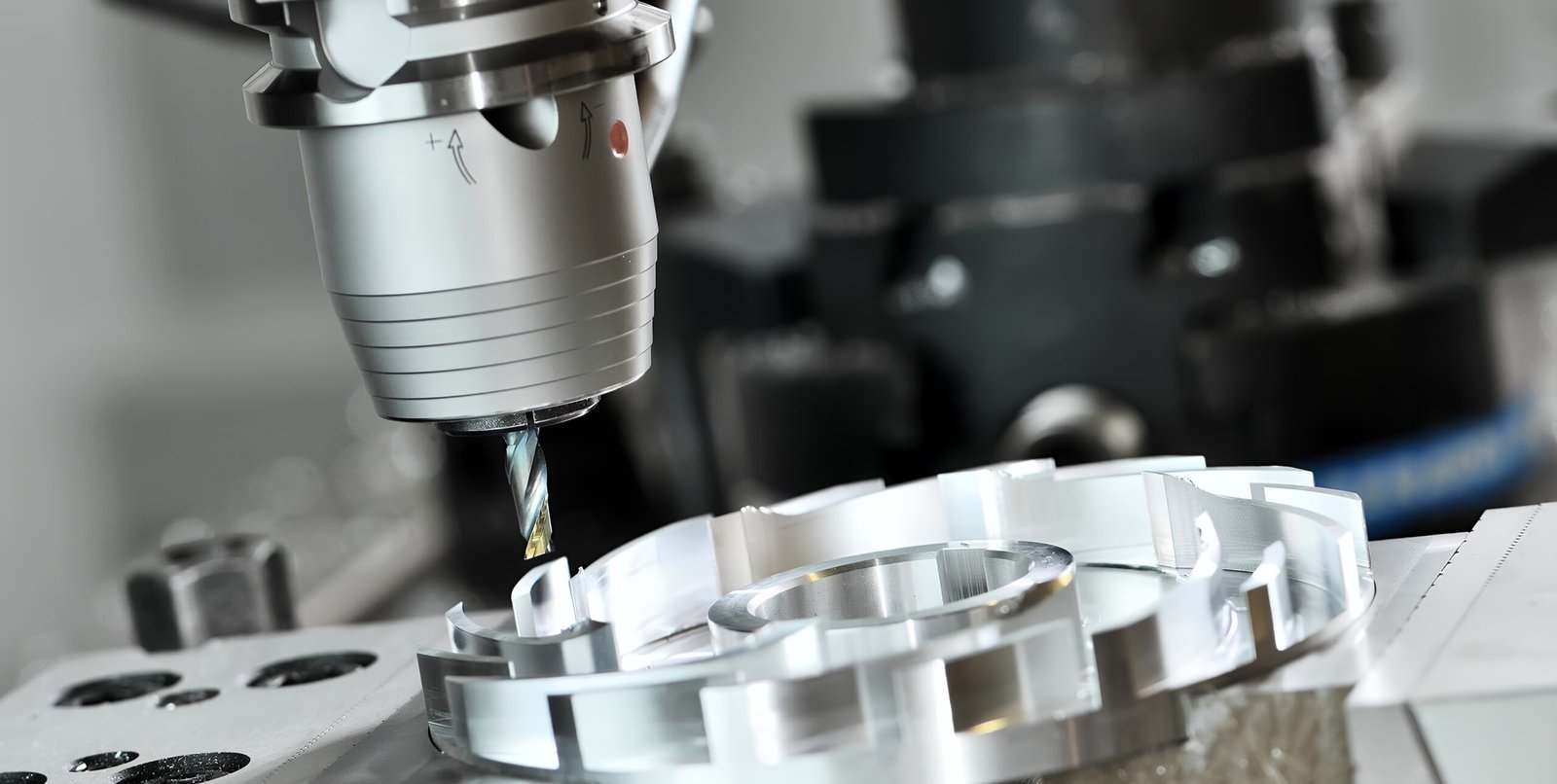
Explore DFM ↗Separate as-cast geometry from finished bores, threads, faces and other drawing-defined features.
Explore CNC machining ↗Specify the alloy, required treatment, surface condition and documentation.
Review materials ↗Agree sample acceptance, critical measurements, part identification and packing requirements.
Plan quality requirements ↗These material families are within the company’s confirmed enquiry scope. Exact grades, process routes and delivery conditions require engineering review.
Open the materials library ↗Confirm revision, geometry, material, quantities and open engineering questions.
Agree the tooling scope, sample acceptance and inspection requirements.
Coordinate the casting blank, CNC features, treatment and specified finish.
Check the agreed requirements and confirm the supplied condition and records.
Tooling approach, sample quantities, MOQ and timing are quoted for the component; no universal lead-time or tolerance promise is applied.
Help us review the finished component, not only the as-cast shape. Use the same model and drawing revision throughout the enquiry.
Prepare your engineering enquiry ↗Drawing or model2D drawing and available STEP model; identify the current revision.
Material & finishExact grade or a request for selection review; required surface condition.
Quantity & scheduleSample quantity, expected order quantity and requested delivery timing.
Critical requirementsFits, datums, machining, inspection, documentation and packaging.
The application guides explain different requirements; they are not a substitute for your drawing or project qualification.
Appearance, fixing interfaces and installation requirements.
Explore application ↗Exposure, assembly and material selection.
Explore application ↗Machined interfaces and application-defined acceptance.
Explore application ↗View the existing custom castings product catalogue ↗ — opens the current website. No catalogue item is a verified fit for an unreviewed application.
Submit the current drawing, material specification and quantities. Geometry, manufacturing scope and acceptance requirements are reviewed before the quotation is confirmed.
Yes. Identify the machined surfaces, datums, threads and fits. Casting stock, machining sequence and inspection should be agreed together.
Send the required sample and production quantities. Feasibility, tooling and minimum order requirements are assessed per project; no blanket low-MOQ or rapid-delivery promise is made.
Material, geometry, tooling, quantities, machining, treatment and inspection all affect the quotation scope. Compare proposals for the same finished-part requirements.
This page focuses on investment casting and its secondary operations. It does not claim that every sand-casting, die-casting or specialist melting route is available.